
Fire Systems
Unified Technology Solutions is a Dublin-based provider of commercial fire alarm systems in Ireland, serving major clients nationwide. We design, install, and maintain advanced fire detection solutions for offices, industrial facilities, retail complexes, and other business premises. Our expert team ensures each system is custom-designed for your building’s needs, fully IS 3218 compliant, and seamlessly integrated with other security systems (access control, CCTV, intruder alarms) for comprehensive protection.
Complete Fire Detection & Alarm Solutions: We specialize in end-to-end fire alarm services - from initial system design and installation to commissioning and ongoing maintenance. All projects adhere to the latest Irish standards and regulations, providing our clients with peace of mind that their facilities are protected and meet legal requirements. As a Dublin-based company, we offer prompt nationwide service, supporting businesses across Ireland with reliable fire detection solutions and technical expertise.
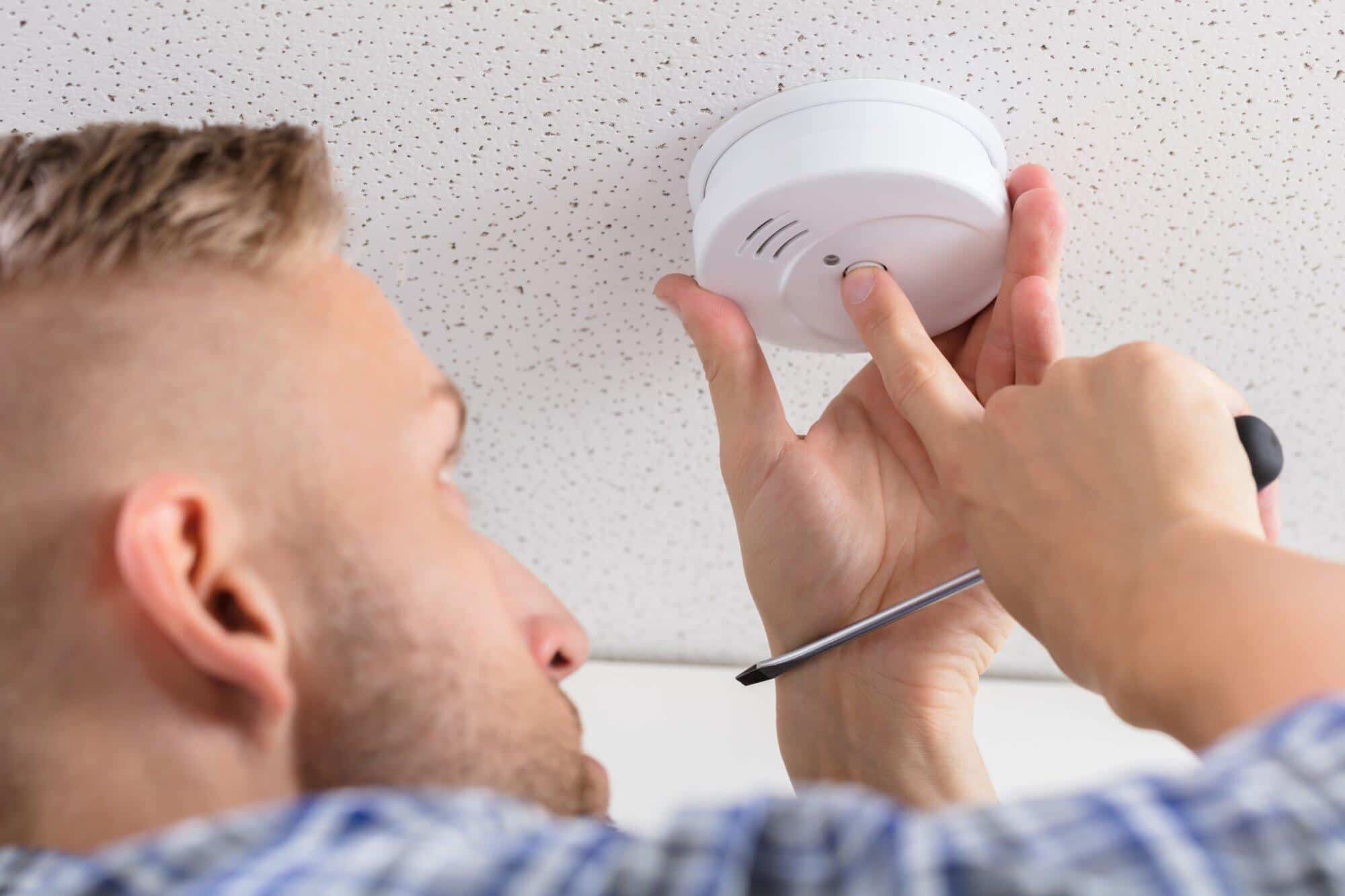
System Design, Installation & Commissioning
Tailored Design: Every commercial environment is unique. Our engineers conduct thorough site surveys and fire risk assessments to design a fire alarm system that fits your building’s layout, usage, and risk profile. We determine optimal placement of detectors (smoke, heat, etc.), call points, and sounders to ensure early detection and clear warning throughout the premises. The design process follows Irish Standard I.S. 3218 guidelines for system planning and device coverage, ensuring compliance from the start.
Professional Installation: Unified’s certified technicians install all equipment with minimal disruption to your operations. We use high-quality, standards-compliant detectors, alarm panels, and notification devices (no specific brands mentioned) and follow best practices for cabling and circuit layout. Whether implementing a conventional zoned system or a modern addressable fire alarm network, we ensure every device is correctly wired, labeled, and integrated. Our team also interfaces the fire alarm with other building systems as needed - for example, linking to door releases or HVAC shutdown for safety during a fire.
Commissioning & Certification: After installation, we rigorously test and commission the entire system. This includes verifying each detector and call point triggers the appropriate alarm response, checking sound levels of sirens/strobes, testing battery backup power, and validating any integration functions (such as elevator grounding or access door unlocking). We then certify the system in accordance with I.S. 3218 requirements, providing you with the documentation needed for fire officer inspections and insurance. Training is provided to your staff on panel operation (e.g. acknowledging alarms, silencing, resets) and routine user checks, ensuring you are fully prepared to use and monitor the new system.
Maintenance & Inspection Services
Installing a fire alarm is only the first step - regular maintenance and inspection are critical to keep the system reliable and compliant. Unified Technology Solutions offers comprehensive maintenance contracts and support services for all types of commercial fire alarm systems.
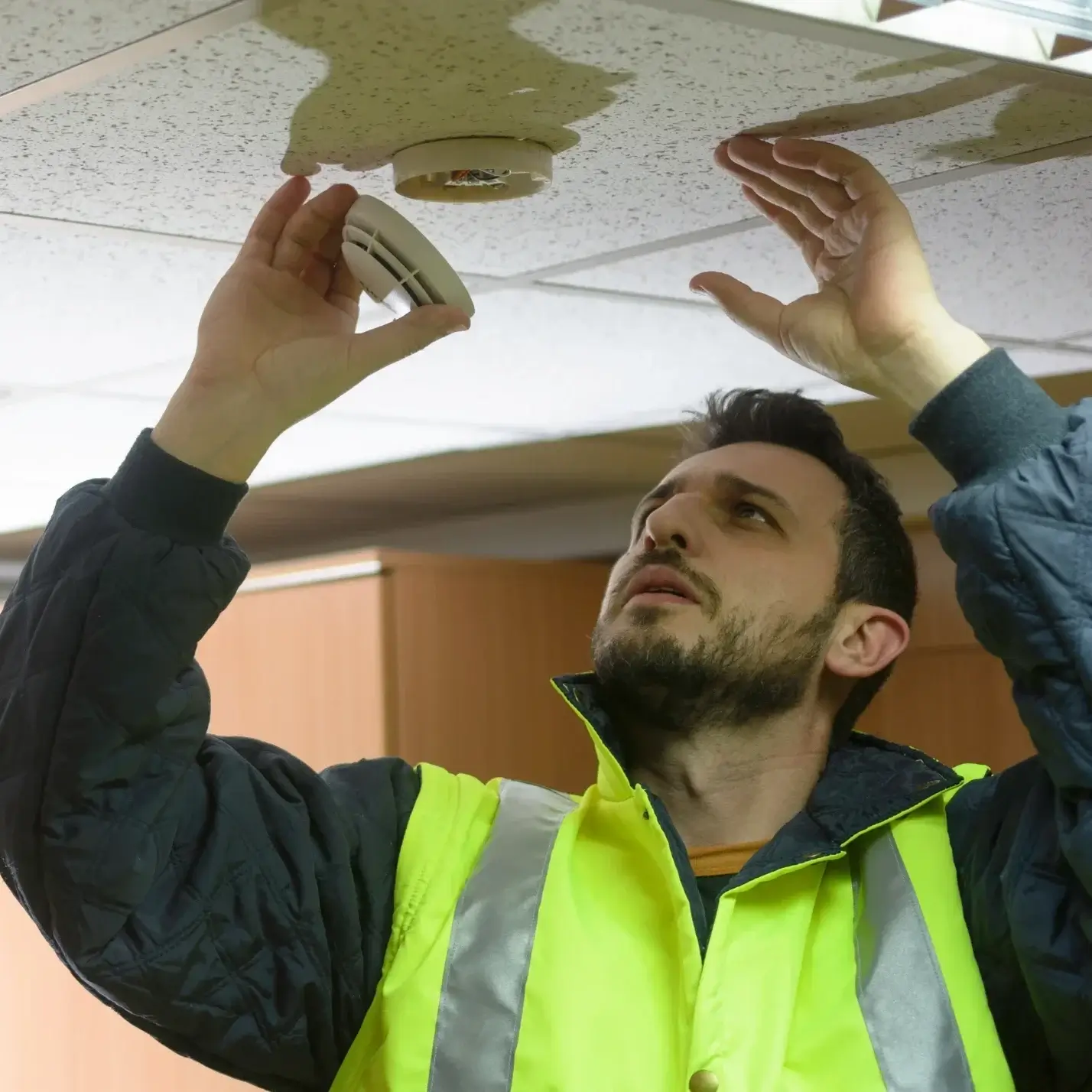
Scheduled Inspections: We perform routine preventative maintenance visits (typically bi-annually or quarterly, depending on site needs). Our technicians test detectors, sounders, and panels, check battery health, and confirm all devices communicate properly. The Irish Standard I.S. 3218 recommends that fire alarm systems be professionally inspected at least every six months, and we help you meet this requirement. After each service, we update your fire alarm logbook and provide records of all tests and any corrective actions - essential for insurance and regulatory compliance.
24/7 Support & Repairs: In the event of any fault or emergency, our team is on call 24/7 to assist. We quickly troubleshoot issues like false alarms, device malfunctions, or panel faults. With a stock of common replacement parts, we can often repair problems on the first visit. Our goal is to minimize downtime and ensure your fire detection system is always functional. Regular maintenance not only satisfies legal obligations but also significantly reduces the risk of false alarms or system failures.
Upgrades & Expansion: For older alarm systems, we provide upgrade paths to newer technology (for example, migrating from a conventional panel to an addressable system) to improve reliability and functionality. If your facility expands or its use changes, we can redesign and extend your fire alarm accordingly, keeping protection coverage optimal. All modifications are carried out in line with IS 3218 standards and re-commissioned to certify compliance.
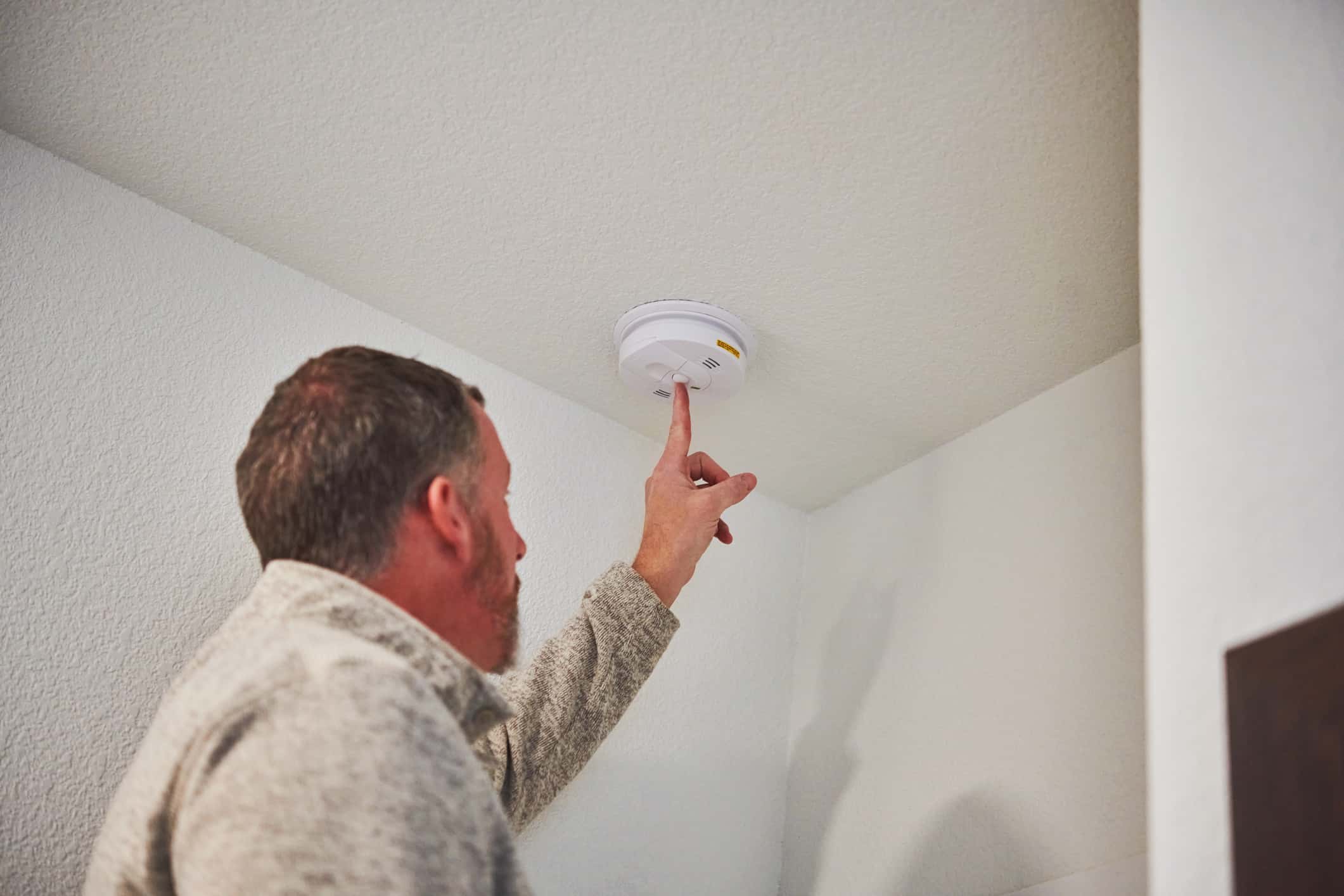
Addressable vs. Conventional Fire Systems
Fire alarm systems generally fall into two categories - conventional and addressable - each suited to different facility sizes and needs. We work with you to determine the right system type for your premises, balancing complexity, scale, and budget while ensuring effective fire detection.
Conventional Fire Alarm Systems: A conventional system divides the building into zones, with detectors and manual call points wired on dedicated circuits for each zone. If a detector triggers, the fire alarm control panel indicates the zone in alarm (e.g. “Zone 3 - Warehouse”), and staff must check devices in that area to locate the exact trigger. Conventional panels are cost-effective for small to medium buildings or simpler layouts. However, they provide less detail - only the zone is identified, not the specific device. All sounders (alarms) are usually on a separate circuit and will activate together when any alarm is triggered.
Addressable Fire Alarm Systems: In an addressable system, each detector, call point, and alarm device has a unique address on one or more loop circuits. The panel communicates with each device individually. When an alarm is triggered, the panel displays the exact location and device (e.g. “Smoke Detector 024 - 2nd Floor, Room 210”), enabling responders to pinpoint the issue immediately. Addressable systems are intelligent and allow flexible programming of functions. For instance, specific outputs can be customized - if a fire is detected on the second floor, only that floor’s electromagnetic door locks could be released, while other floors remain secured. This targeted response is not possible with conventional systems, which would typically activate all outputs building-wide. Addressable alarms also require less cabling (multiple devices share one loop) and tend to be more resilient against faults or false alarms.
Which to Choose? Addressable fire alarm systems are generally preferred for larger or more complex facilities due to their advanced features and scalability. They offer faster incident response and integration options that conventional systems cannot match. Conventional systems, while less sophisticated, are effective in smaller premises and are straightforward to operate and maintain. Importantly, both system types will detect fires reliably if designed and installed correctly - one is not “better at detection” than the other, they simply use different communication technologies. During the design phase, our experts will discuss the options with you to ensure the chosen solution is fit for purpose, considering your building’s size, layout, and business operations.
Key Components of a Fire Detection System
A modern commercial fire alarm system is composed of several integrated components, each playing a role in early fire detection and occupant alerting. Unified Technology Solutions supplies and integrates all necessary components for a complete solution:
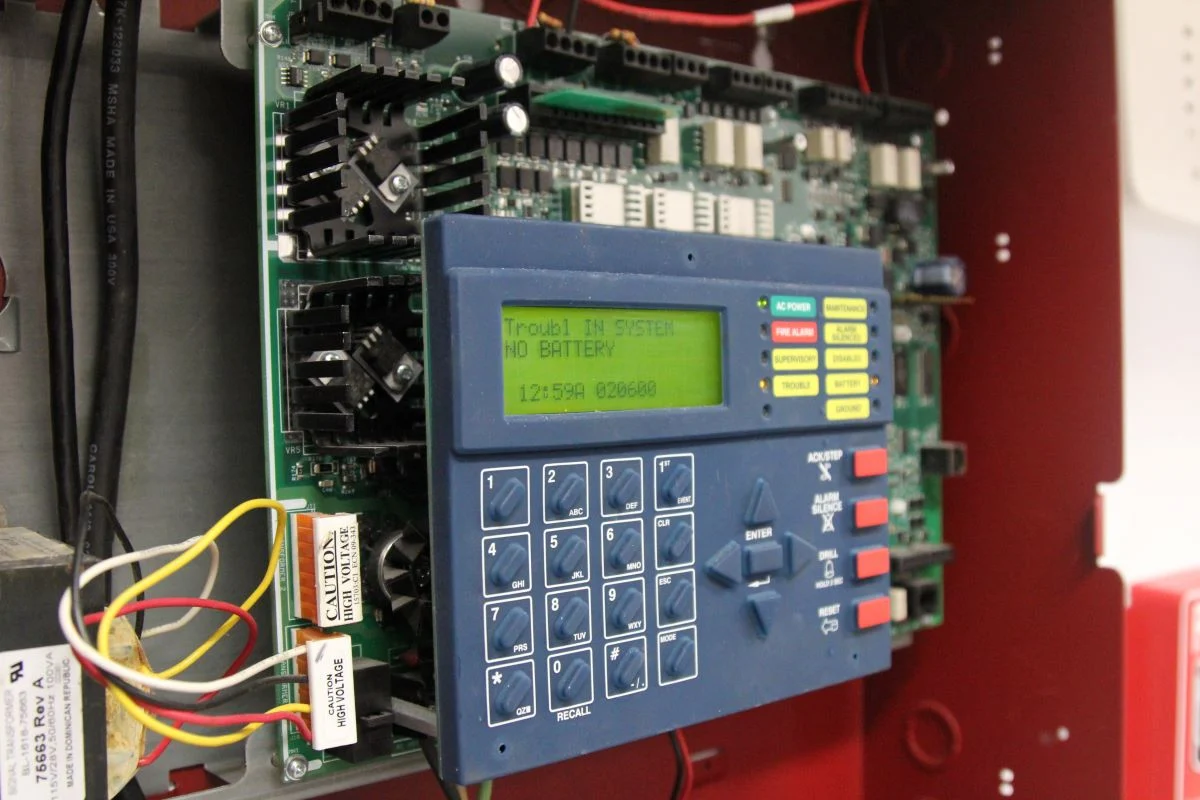
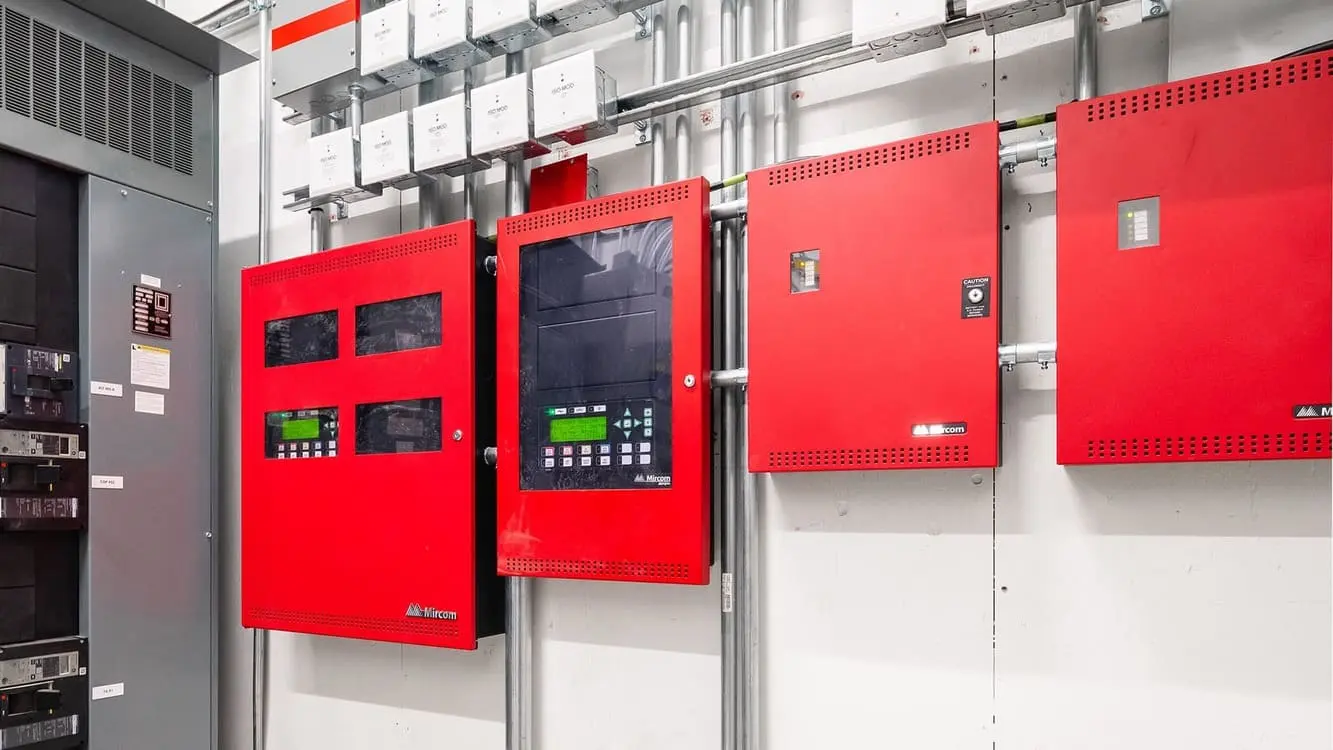
Fire Alarm Control Panel (FACP): The control panel is the central hub or “brain” of the system. It continuously monitors all detectors and input devices, processes incoming signals, and controls the notification appliances (alarms). The panel displays system status, zones or device addresses in alarm, and can indicate faults or supervisory conditions. We program the panel with custom configurations for your site and ensure it has battery backup power for at least 24 hours of standby (as required by standards) to keep the system active during mains outages.
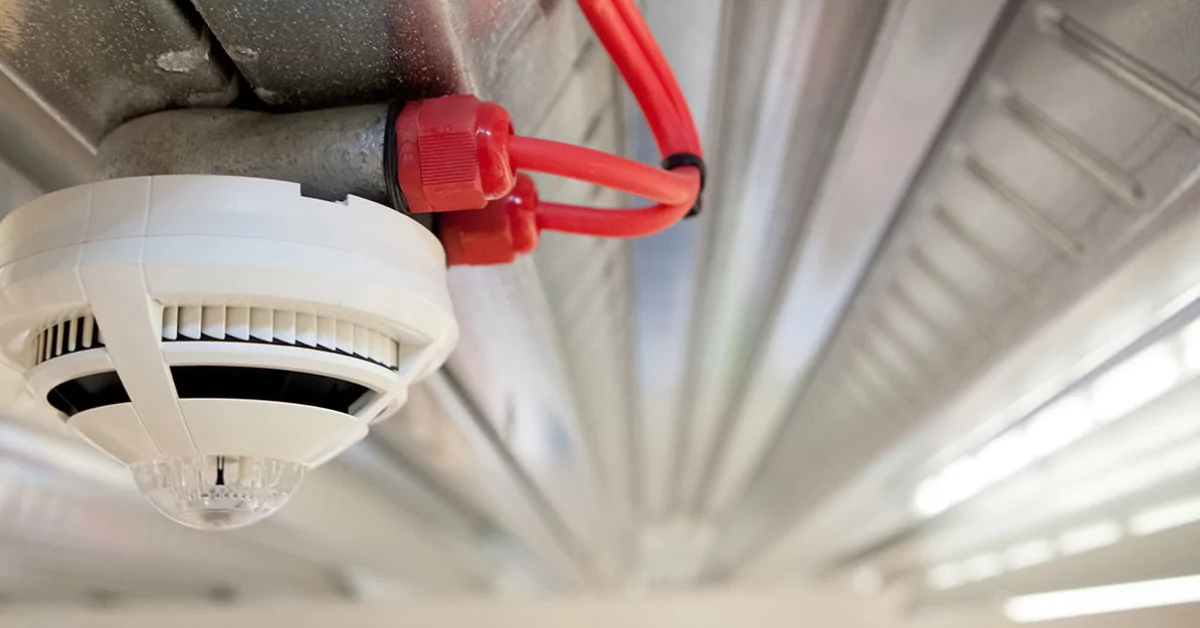
Smoke and Heat Detectors: Automatic detectors sense early signs of fire. Smoke detectors (optical or ionization types) trigger when smoke particles are detected, providing early warning for smoldering fires. Heat detectors respond to high temperature or rapid rise in temperature, useful in areas like kitchens or workshops where smoke detectors might give false alarms. In special applications, other detector types may be used – for example, flame detectors in fuel storage areas or beam detectors in warehouses with high ceilings. Choosing the right detector type for each location is crucial to minimize false alarms while ensuring quick detection. Our designs carefully match detector technology to the environment (e.g. heat detectors in kitchens, multi-sensor detectors in offices, etc.) for optimal performance.
Manual Call Points (Break-Glass Units): These red break-glass alarm stations allow anyone who discovers a fire to manually activate the alarm. Strategically located near exits and along escape routes, call points instantly signal the control panel when pressed. This immediately triggers the alarms, ensuring no time is lost if an occupant needs to raise the alert. We install call points at the appropriate height and locations per fire code requirements (usually by exits, stairwells, and final exit doors) so that building occupants can easily activate the system in an emergency.
Alarm Sounders and Strobes: Audible and visual alarms are critical to warning everyone on site to evacuate. Sounders (sirens or bells) generate a loud alarm tone (often 85 dB or more) to cover all areas, even noisy environments. Visual beacons or strobes flash brightly, providing warning for those with hearing impairment and in areas where loud noise could be missed. Many modern devices combine sounder and strobe in one unit. Our installations ensure alarm signals meet the audibility and visibility levels specified in IS 3218 and the building regulations. When the fire panel goes into alarm, all configured sounders/beacons activate to prompt immediate evacuation.
Emergency Power Supply: All fire alarm systems include backup batteries or an uninterruptible power supply. This ensures the system remains operational during power failures - a crucial safety requirement. The control panel continuously charges the batteries and automatically switches to battery power if mains supply is lost. We calculate and install battery capacity to support at least 24 hours of system operation plus 30 minutes of full alarm, in line with standards. This guarantees that even during a blackout, your fire detection and alarm capabilities are maintained.
Additionally, our fire alarm systems can include features like fire alarm relays or interfaces to other equipment. For example, the system can send a signal to shut down gas valves, stop elevators at the ground floor, or trigger ventilation fans when smoke is detected. These components and interfaces are selected based on your building’s fire strategy and are fully tested during commissioning.
Serving Ireland’s Fire Safety Needs
Unified Technology Solutions is dedicated to protecting Irish businesses with reliable, state-of-the-art fire detection and alarm solutions. From initial consultation through ongoing support, our focus is on quality, compliance, and client peace of mind. We have extensive experience securing offices, retail centers, warehouses, hotels, and other commercial facilities across Ireland. By choosing Unified, you partner with a team that understands local fire safety requirements and the importance of minimal disruption to your operations.
Our holistic approach - integrating fire alarms with access control, CCTV, and intruder systems – provides you with a unified life-safety and security infrastructure that is easier to manage and more effective in an emergency. All work is carried out to the highest standards of professionalism and technical excellence, reinforced by I.S. 3218 compliant fire systems and industry best practices.
In summary, commercial fire alarm installation, maintenance, and integration are core strengths of Unified Technology Solutions. We help you safeguard your employees, property, and business continuity through early fire detection and rapid, coordinated response. With our Dublin-based team serving clients nationwide, you can trust us to keep your fire alarm systems running optimally and your enterprise in full compliance with Irish fire safety regulations.