Jan 2, 2026
Kevin
Understanding Fire Safety Compliance for Irish Commercial Premises
Fire safety is a critical responsibility for any business operating in Ireland. Beyond the obvious risk to people and property, failure to meet fire safety requirements can result in legal action, insurance complications and serious disruption to business operations.
Despite this, many organisations remain unsure about what fire safety compliance actually involves and whether their current systems meet the necessary standards. This article outlines the key principles of fire safety compliance for Irish commercial premises and explains why professional fire systems and ongoing maintenance are essential.
Why Fire Safety Compliance Matters for Irish Businesses
Fire safety compliance exists to protect lives. Employees, customers and visitors all rely on businesses to provide a safe environment, particularly in shared or high-occupancy buildings.
For Irish businesses, compliance also plays a vital role in:
Meeting legal obligations placed on building owners and occupiers
Satisfying insurance requirements
Reducing liability in the event of an incident
Ensuring business continuity following emergencies
Non-compliance can lead to enforcement action, invalidated insurance cover and reputational damage that is difficult to recover from.
What Is Fire Safety Compliance?
Fire safety compliance refers to the measures put in place to detect fire early, alert occupants and support safe evacuation. In commercial premises, this typically includes:
A suitable fire detection and alarm system
Proper system design based on building use and occupancy
Regular inspection, testing and servicing
Clear records demonstrating ongoing compliance
Compliance is not a one-off task. It requires continuous attention to ensure systems remain effective as buildings, staff numbers and usage change over time.
Fire Safety Responsibilities in Commercial Premises
In Ireland, responsibility for fire safety sits with those who control or manage a building. This may include business owners, landlords or facilities managers, depending on the premises and tenancy arrangements.
Key responsibilities include:
Ensuring an appropriate fire alarm system is in place
Making sure the system is maintained and operational
Addressing changes to the building that may affect fire detection coverage
Keeping accurate records of inspections and servicing
Relying on outdated systems or assuming existing equipment is sufficient can expose businesses to unnecessary risk.
Common Fire Safety Compliance Issues
Many compliance problems arise not from neglect, but from changes over time. Common issues seen in Irish commercial buildings include:
Fire alarm systems that are no longer suitable for the current layout
Poor maintenance leading to faults or false alarms
Inadequate coverage following refurbishments or extensions
Lack of documentation to demonstrate servicing and inspections
These issues can often go unnoticed until an inspection or incident highlights them.
The Role of Fire Alarm Systems
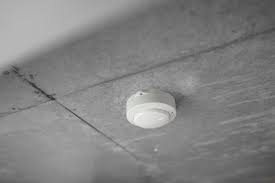
Fire alarm systems are a core component of fire safety compliance. Their primary function is to detect fire early and provide a clear warning so occupants can evacuate safely.
For commercial premises, a professionally designed fire alarm system ensures:
Appropriate detection across all relevant areas
Reliable operation when needed most
Clear alerts that support safe evacuation
Compatibility with the building’s size and usage
Correct installation and commissioning are essential to ensure the system performs as intended.
Fire System Maintenance and Ongoing Compliance
Even the best fire alarm system requires regular maintenance to remain compliant. Routine inspections and servicing help identify faults early and ensure all components are functioning correctly.
Ongoing maintenance supports compliance by:
Reducing the risk of system failure
Minimising false alarms
Providing documented evidence of servicing
Ensuring systems remain effective as the building changes
Without regular maintenance, compliance can quickly lapse, even if the original installation was sound.
Choosing a Fire Safety Partner in Ireland
Working with an experienced provider helps businesses meet their fire safety obligations with confidence. A professional partner will assess the premises, design a suitable system and provide ongoing support to maintain compliance.
Companies such as Unified Technology Solutions Ltd support Irish businesses with the design, installation and maintenance of commercial fire systems, helping ensure safety requirements are met consistently over time.
Conclusion
Fire safety compliance is a fundamental responsibility for Irish commercial premises. It protects lives, safeguards businesses and supports long-term operational stability.
By investing in appropriate fire alarm systems and ensuring they are properly maintained, businesses can meet their obligations with confidence and create safer environments for everyone who enters their premises.
[ Blog ]